
Trademarking identity markers: a new strategy against AI impersonation
In an age where AI can clone voices and faces in seconds, identity is becoming a legal asset that needs clear boundaries.
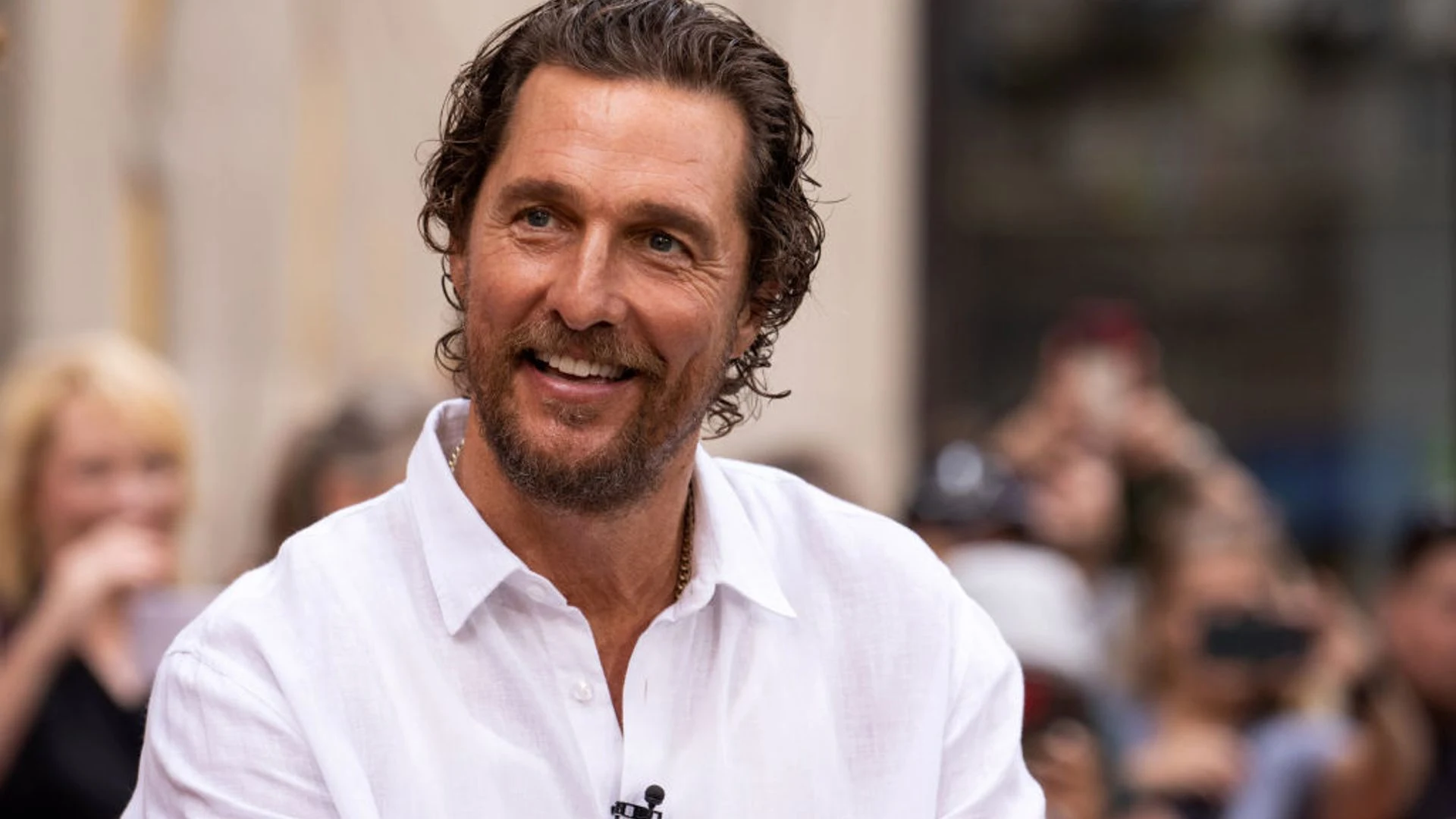
In an age where AI can clone voices and faces in seconds, identity is becoming a legal asset that needs clear boundaries. One high-profile example is actor Matthew McConaughey, who has secured U.S. trademark protection for specific identity-linked elements, including audio/video clips associated with his persona and the iconic phrase “Alright, alright, alright”, as a way to deter unauthorized commercial use and AI-driven impersonations.
Why does this matter?
The initiative is about pro-consent
McConaughey isn’t pushing back against AI itself. In fact, he’s an investor in ElevenLabs, a voice technology startup, and even allowed a digital version of his voice to be used for his Spanish-language newsletter. His message is simple: use my voice if you like, but only with my approval.
Trademark, not copyright, is the tool of choice.
Current copyright law doesn’t effectively cover situations where AI generates realistic deepfakes of a person’s likeness or voice. Trademarks, on the other hand, offer a clearer legal path to block unauthorized commercial use. By registering elements of his identity as trademarks, McConaughey is putting a legal perimeter around who can use his likeness and how.
It’s powerful to be protected and smart to be prepared.
Having your voice or face registered as a trademark isn’t just about legal paperwork. It’s a way of saying: “this is mine, and you can’t use it without me.” In a world where replication is effortless, legal ownership becomes a key to control and credibility.
It may become the new standard.
According to the BBC, experts like Dr. Sandra Wachter from Oxford University believe McConaughey’s move could set a precedent. In a digital world that heavily favors AI developers, this is a rare shift that empowers the individual. Trademarking your identity might become the go-to method for creators, public figures and entrepreneurs looking to protect their digital presence.
“We want to create a clear perimeter of ownership. Consent and attribution must become the norm in the AI world,” McConaughey’s team said.
Why should we care?
We’re watching a new legal frontier unfold. In the AI era, it’s no longer just about who owns the content, but also who can control the commercial use of identity.
For entrepreneurs, creators, and anyone building a brand in public, this is a practical reminder: protect what makes you recognizable. That can mean trademarks for your name, slogan/catchphrase, logo, or distinctive brand signals, plus smart licensing and consent language when you collaborate with platforms or partners.
At JURISTA, we help clients take the same step: protect identity-linked brand elements through trademark strategy and licensing, so voice, image and signature phrases can’t be commercially used without permission.
Similar articles
Digital Nomad in Moldova: residence rights for foreign IT specialists from 2025
If you work remotely and want to live legally in the Republic of Moldova long-term, there’s good news. Starting 20 September 2025, a new legal framework allows eligible digital nomads to obtain temporary residence in Moldova.